

For many EV owners, charging at home is one of the biggest conveniences of driving electric. Plug in when you get home, and the vehicle is ready the next morning. But for residents of apartments and condos, that convenience can be much harder to come by.
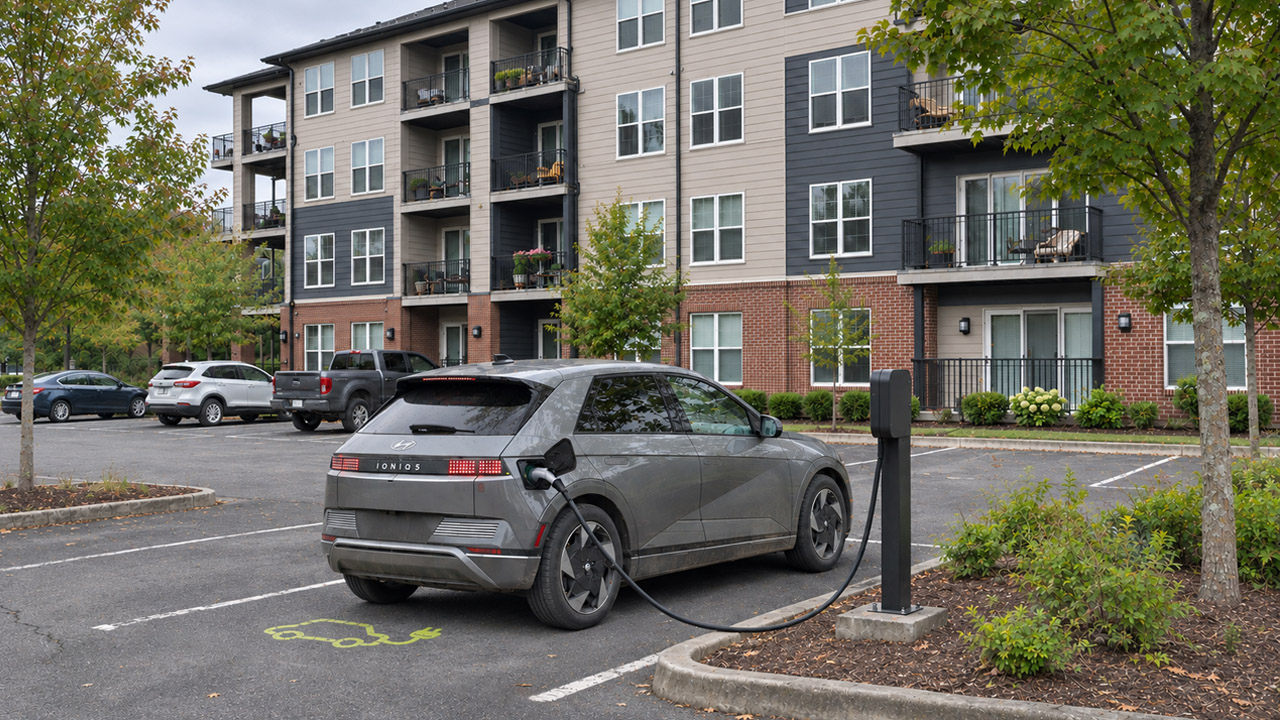
Installing chargers at multifamily properties is the solution, but property owners face a difficult decision about how to do it. Putting in chargers can require a significant investment, but there may be only a handful of residents driving EVs at the moment. Residents, meanwhile, may be reluctant to buy an EV until they have somewhere convenient to charge. Each side has a reason to wait.
Even with that challenge, companies are investing in charging across entire property portfolios, looking to capitalize on a potential revenue stream for the future. Having charging available can also make a property more attractive to prospective renters and condo buyers, especially those who already drive an EV or are considering one. Rebates and incentives can help reduce the upfront cost, creating opportunities for property managers, charge point operators (CPOs), turnkey providers, and equipment manufacturers.
Companies Are Investing in Multifamily Charging
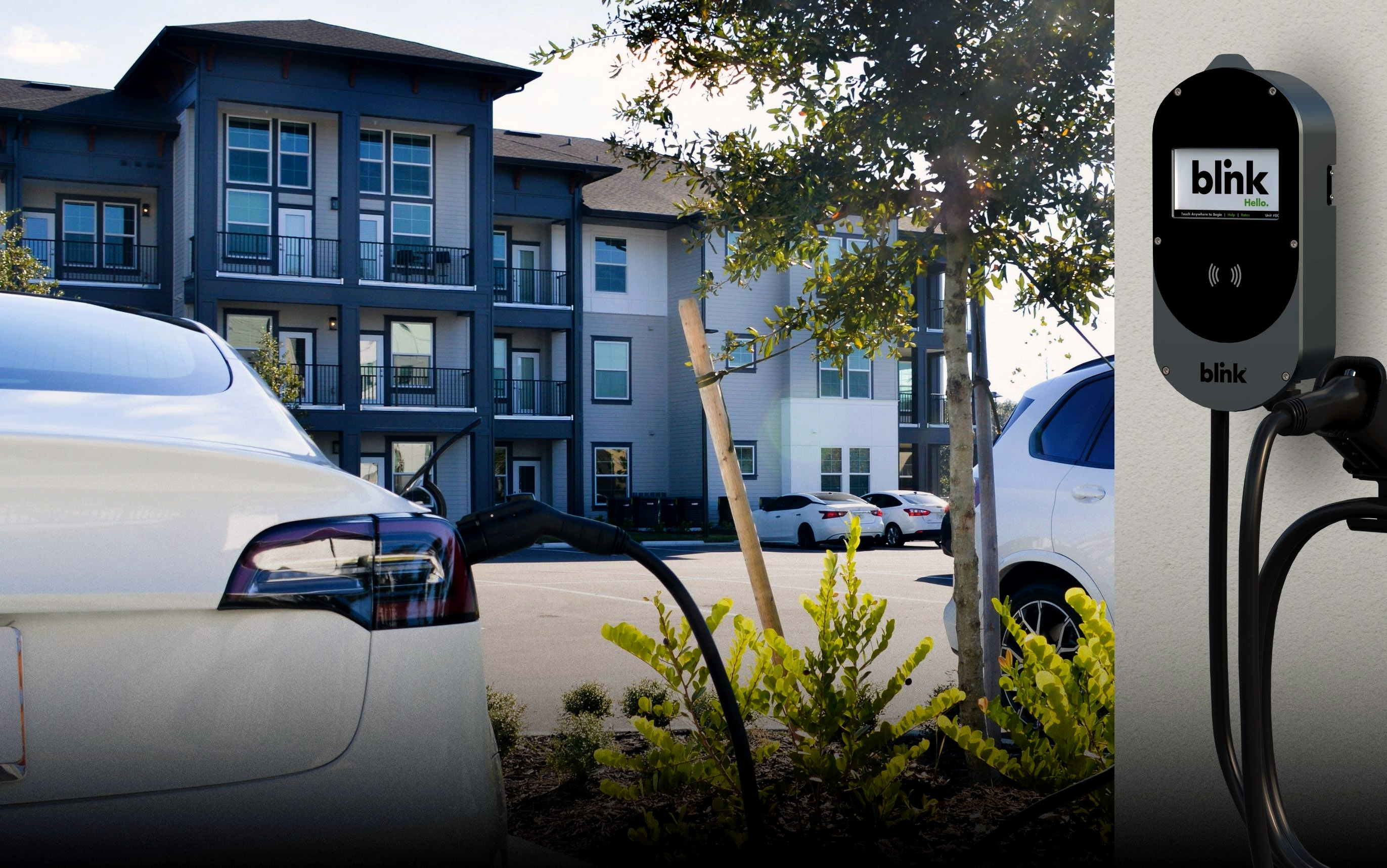
The potential market for multifamily chargers is substantial. The Census Bureau’s 2024 Rental Housing Finance Survey estimated approximately 485,000 rental properties with five or more units nationwide, containing over 26.3 million rental units. And that’s excluding owner-occupied condo communities. While not everyone has their own vehicle, it’s still a sizable market to go after.
And some companies have their sights set on the market.
In May 2026, ChargePoint and OBE Power announced plans to deploy approximately 2,500 charging ports at multifamily residences, starting in 2026. Under the arrangement, OBE Power will own and operate the infrastructure and manage services including driver support, maintenance, insurance, and repairs.
Another large deployment involves Greystar properties in Washington. In 2025, SWTCH announced that its platform would manage approximately 2,500 charging stations across 136 Greystar properties. The deployment is supported by $25.6 million in state funding, with Wallbox providing the equipment and COIL handling installation.
But these don’t always have to be large-scale, portfolio-wide investments. Multifamily properties in markets with higher EV penetration can see significant benefits.
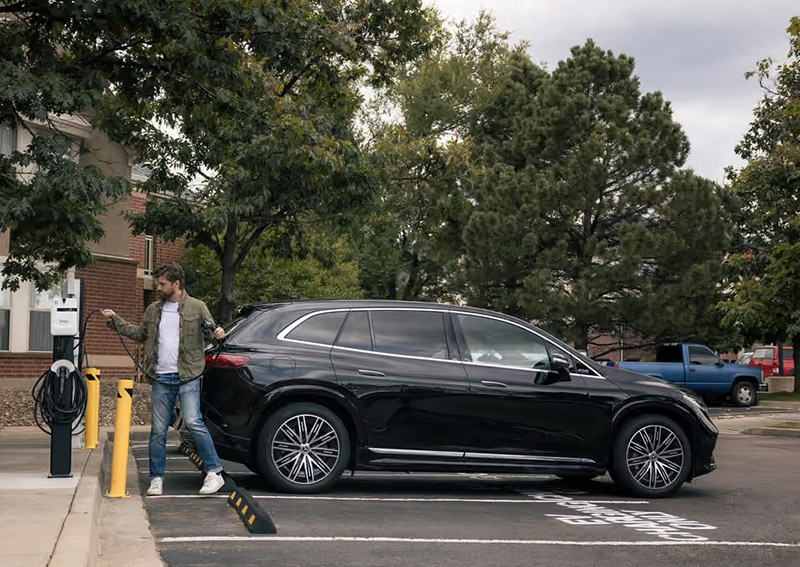
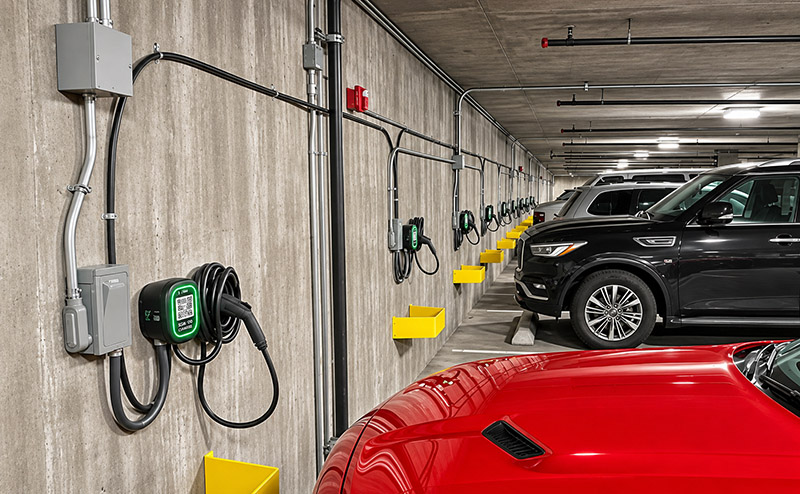
For multifamily applications, there are a variety of options that offer a new way to look at solutions. In facilities where residents have dedicated parking spaces, such as in a garage, and park overnight, installing a dedicated Level 1 or Level 2 outlet at each space and adding a smart charging system can avoid the cost of major electrical upgrades. Or maybe a community with a large parking lot could install several higher-powered Level 2 chargers shared by residents.
Rebates Are Available to Help Offset Upfront Costs
Because at-home charging is one of the biggest issues holding back EV adoption, rebate programs are helping expand charging access at these properties. These can come from electric utilities, local municipalities, state governments, regional/county programs, or nonprofits seeking to help speed up electrification.
According to RebatePro for EV Chargers, 79% of the U.S. is covered by a rebate or incentive for installing a Level 2 charger in a commercial application, with an average incentive of $3,391 per charger. Although residents use the chargers for their personal vehicles, shared charging at apartments and condos often falls under commercial or dedicated multifamily incentive programs.
While many commercial rebates apply to multifamily chargers, many programs have gone a step further and created rebates specifically for this application. Out of the nearly 700 individual Level 2 commercial charger rebates that are currently open, almost 20% are specifically geared toward multifamily developments. That can be helpful because that specific rebate might have separate funding or higher dollar amounts than those available for a standard charger installed at a retail location nearby.
A property’s location can also make a big difference in the rebates available. Some programs offer additional incentives for properties that are in disadvantaged communities (DACs) or low-income areas. For example, Entergy New Orleans lists an incentive of $1,000 per port for eligible Level 2 charging at multi-unit dwellings, but for disadvantaged communities, it’s 2.5 times higher.
And it’s not just chargers that qualify. RebatePro for EV Chargers currently tracks 50 rebates for installing dedicated EV charging outlets. With these installations, residents typically bring their own plug-in charging equipment and connect it to the outlet at their parking space.
Case Study: Columbia Shores Condominium in Vancouver
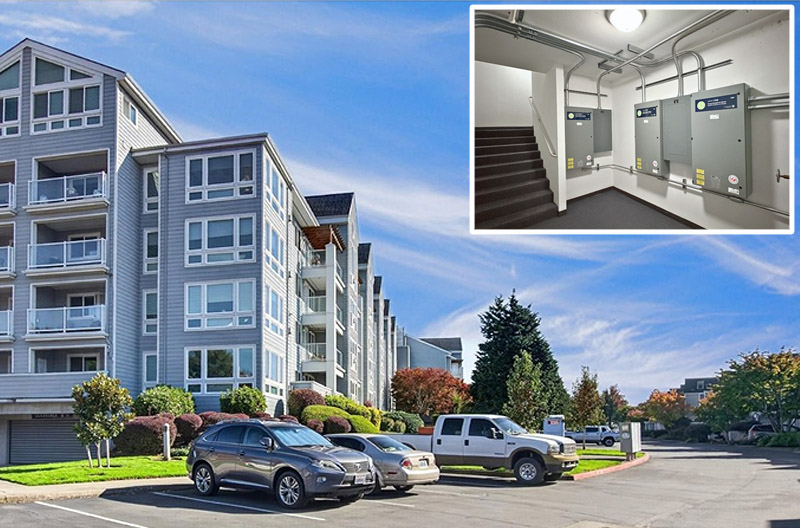
It’s easy to see how rebates can really make a difference in a project. Take a look at Columbia Shores Condominium in Vancouver, Washington. The 135-unit property installed a system that lets residents add charging at their deeded parking spaces over time. According to a September 2026 case study published by Charge at Home, Clark Public Utilities’ make-ready incentives covered approximately $200,000 of the roughly $400,000 project cost.
Rather than installing just a few shared chargers, this project overhauled the system to provide the capacity to add charging at any spot and allow residents to opt in when ready. An energy management system allowed the property to accommodate charging without upgrading the utility transformer and main service panel, while preparing for more residents to connect in the future. The system also tracks electricity use by resident without the need for chargers to be on the same network, allowing the association to bill the people for their charging easily.
Building for the Future

When looking at EV charging in a multifamily development, remember that counting only the EVs currently in a parking lot likely undercounts potential demand. It leaves out residents who would consider an EV if charging were available.
The Renter Preferences Survey from the National Multifamily Housing Council (NMHC) and Grace Hill found that interest in on-site EV charging increased from 27% in 2022 to 34% in 2024. In addition, the study found that approximately one-third of EV-owning renters reported that their community had no charging available.
To see real impact, let’s look at a project in California to see how ownership can change after charging arrives. At 21 properties that received chargers through Ecology Action’s Multifamily EV Charging Accelerator project, managers reported a combined total of 16 EV drivers before installation and 58 one year afterward; that’s a 3.6x increase!
The project also included education and assistance for residents and property managers. Staff turnover sometimes left managers unfamiliar with how residents could access the chargers, showing why installation needs to be followed by clear instructions and ongoing support.
Plug-in hybrids (PHEVs) play a part in the picture, too. In June 2026, ChargePoint reported that its home-charging data showed PHEV owners charging up to 45% more frequently since March 1 amid higher gasoline prices. If gas prices stay high, drivers who can choose between electricity and gasoline will have another reason to plug in as fuel costs rise. For multifamily properties, that means potential charging demand includes residents with plug-in hybrids, not just those driving fully electric vehicles.
Properties With Existing Chargers Can Create Expansion Opportunities
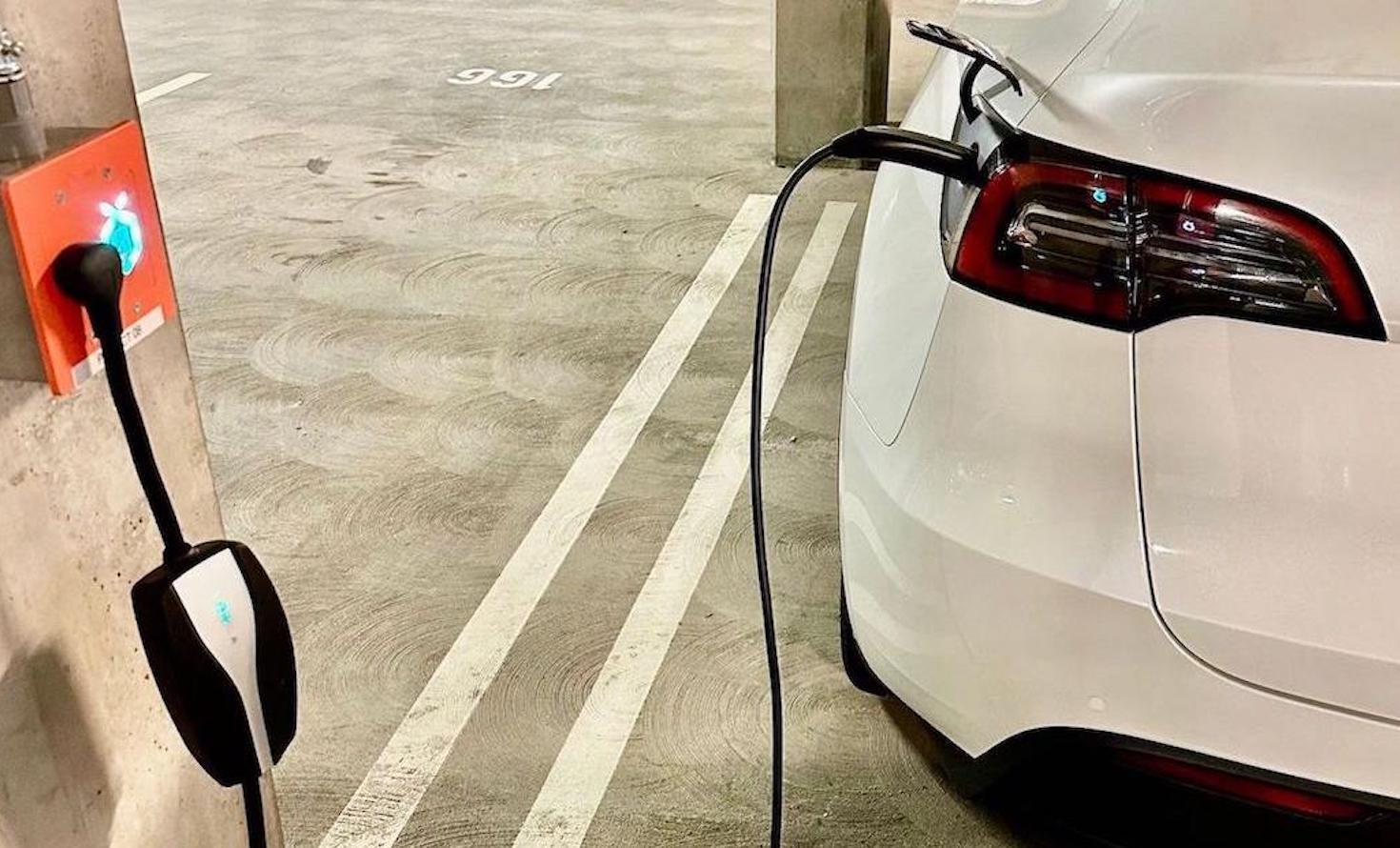
Some multifamily properties already have charging, but their original installation may no longer meet residents’ needs.
At Mode Apartments, a 111-unit property in San Mateo, California, four existing chargers had become difficult to share as more residents purchased EVs. Residents had to schedule charging and move their vehicles within four hours or face a $40 fine, which caused some to stop using the chargers altogether.
According to a Charge at Home case study, Orange Charger worked with the property to secure $64,000 in Peninsula Clean Energy incentives to add 30 Level 1 smart outlets. The installation took three days and avoided a major service upgrade. The property expanded to 34 charging ports, with resident EV drivers able to charge overnight in assigned spaces. The case study estimates a payback period of less than three years.
For providers evaluating multifamily opportunities, properties with existing chargers are worth a look. They may need more charging spaces or a different setup as residents’ needs change. Incentives can often help support those changes when the proposed expansion meets the program’s rules.
Investigating Rebate Requirements Upfront Is Key

As with any rebate, it’s important to read all the fine print and do your research before the project starts. A large advertised incentive is only useful if the project can meet its requirements.
Eligibility may depend on the number of dwelling units, which utility serves the property, charging power, number of ports, equipment, network provider, and who can use the chargers. Another requirement to look out for is whether the charger has to be open to the public. Properties with gated parking or residents-only garages will need to consider how they would meet that requirement.
In addition, Approved Product Lists and Approved Network Lists, which are used by roughly 25% of rebate programs, can limit equipment choices. Checking the specific charger and network combination early can help avoid equipment changes or a lost incentive after a proposal has been prepared.
Make Rebate Research Part of Project Planning
Whether a property is installing its first chargers or expanding an existing system, rebates can reduce the investment needed to move forward. Researching incentives during the initial site evaluation helps property owners and their charging partners understand which costs qualify, select eligible equipment, and secure any required approvals before purchasing equipment or starting construction.
Easily Find Incentives for Multifamily Charging Projects

RebatePro for EV Chargers helps you find the incentives available at a project location, compare program requirements, and keep track of changes that may affect your projects.
Whether you’re evaluating an apartment community, comparing sites across a portfolio, preparing a turnkey proposal, or researching opportunities for your equipment, RebatePro puts all the up-to-date information at your fingertips.


