The past year has brought a lot of volatility to the electric vehicle and EV charger markets. Changes in federal policy, the loss of several major tax credits, and uncertainty about future support have all contributed to a softer market. But interest in EVs and EV charging has not disappeared. Far from it.
Used EV sales rose 12% year over year in the first quarter of 2026, according to Cox Automotive. At the same time, ChargePoint says higher gasoline prices have pushed plug-in hybrid owners to charge up to 45% more frequently since March. So while the market may have slowed, consumers are still buying EVs and using charging infrastructure.
The difference now is that several of the major federal tax credits that helped lower the cost of EV purchases and charging projects are gone. So what incentives are still available to help fill that gap?
Quite a few. We are currently tracking 141 open nonfederal EV incentive programs and 501 open nonfederal EV charger programs across the country. The federal tax credits may have ended, but the broader incentive market is still very active.
Federal Tax Credits Are Gone
For years, several federal tax credits helped support the transition to electric vehicles.
For the vehicles themselves, the 25E, 30D, and 45W tax credits provided incentives for qualifying used, new, and commercial clean vehicles, respectively. The credits provided up to $4,000 for qualifying used clean vehicles, up to $7,500 for qualifying new clean vehicles, and up to $40,000 for certain commercial clean vehicles.
Those tax credits are no longer available for vehicles acquired after September 30, 2025.
In addition, federal support was also available for EV charging infrastructure through the Alternative Fuel Vehicle Refueling Property Credit, better known as the 30C Tax Credit.
In its most recent form, 30C could cover up to 30% of eligible EV charging equipment and installation costs for residential and commercial projects. The charger had to be installed in an eligible low-income or non-urban census tract, which limited where the credit could be used.
Even with that restriction, the program still had a relatively broad reach. When the federal government announced the eligibility rules, it estimated that qualifying census tracts covered about two-thirds of the U.S. population.
That tax credit has now ended as well. To qualify, charging equipment had to be installed, operational, and placed in service by June 30, 2026. Customers can still claim the credit when filing their taxes if their project met the deadline and other eligibility requirements, but new installations completed after that date do not qualify.
Federal Tax Credits Were Just One Source of Incentives
Federal tax credits tend to get the most attention because they apply broadly across the country. But they have never been the only source of EV and EV charger incentives.
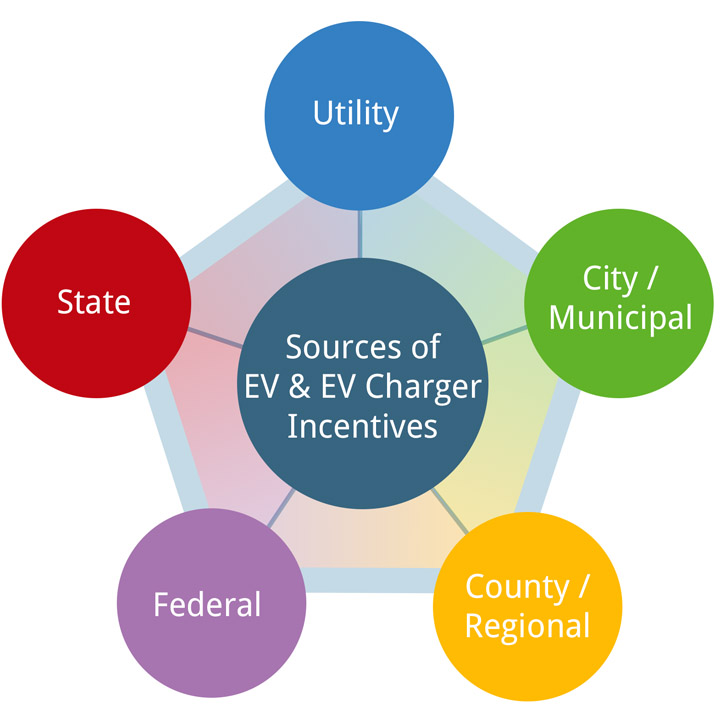
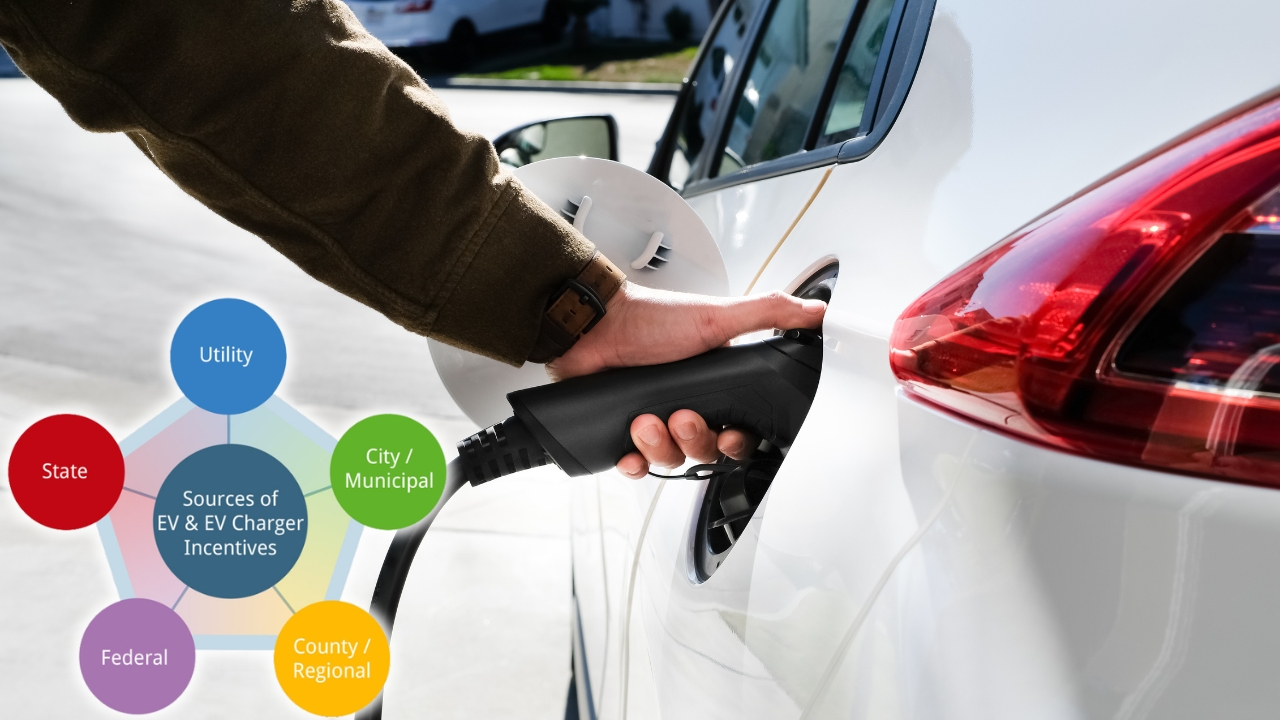
Programs can also come from state governments, electric utilities, counties, municipalities, air-quality districts, nonprofit organizations, and regional agencies.
Those programs haven't withered away with the ending of the federal tax credits; they've flourished, with over 600 programs currently available for electric vehicles and EV chargers.
Electric Vehicle Incentives
| Type | Average Rebate |
|---|---|
| Passenger Car (BEV) | $3,968 |
| Passenger Car (HEV) | $2,122 |
| Passenger Car (PHEV) | $2,065 |
Source: RebatePro for Electric Vehicles, Sept 2026
EV Charger Incentives
| Type | Average Rebate |
|---|---|
| Level 2 Residential | $590 |
| Level 2 Commercial | $3,625 |
| DCFC Commercial | $25,982 |
Source: RebatePro for EV Chargers, Sept 2026
Some States Are Stepping Up With EV Incentives

According to RebatePro for Electric Vehicles, 51% of the U.S. is currently covered by at least one nonfederal EV purchase incentive. We are tracking 141 open EV programs, and the average available incentive has increased 8% compared with the same time last year.
Since the federal EV tax credits ended, some states have introduced or reopened programs that can help fill at least part of the gap.
Oregon, for example, reopened its Clean Vehicle Rebate Program on August 25, 2026. The program provides rebates for qualifying new and used EVs and plug-in hybrid vehicles, with incentives reaching as high as $7,500 for some income-qualified buyers.
California has taken a different approach with its new MyFirstEV program, which provides incentives for qualifying first-time zero-emission vehicle buyers through a combination of state and manufacturer funding.
These programs do not work the same way as the former federal tax credits, and availability can depend on income, vehicle type, participating manufacturers, funding levels, and other requirements. But they illustrate an important point: the end of the federal tax credits did not mean the end of EV incentives.
For companies involved in charging infrastructure, vehicle incentives are also worth watching. Programs that encourage consumers, fleets, school districts, or businesses to purchase EVs can eventually create additional demand for residential, workplace, fleet, multifamily, and public charging.
EV Charger Incentives Remain Widely Available
The incentive market for EV charging equipment is even more active.
Currently, 87% of the U.S. is covered by at least one nonfederal EV charger incentive according to RebatePro for EV Chargers. That equates to 501 open programs offered by utilities, states, municipalities, and other organizations to help reduce the cost of installing EV charging equipment.
But even though availability is high, these incentives aren't always easy to find. Like EV incentives, the rebate programs can be run by state governments, electric utilities, counties, municipalities, air-quality districts, nonprofit organizations, and regional agencies.
That makes it difficult to identify all the rebates that might apply to a location.
In addition, the rebates can vary depending on the type of charger, the type of site where it’ll be installed, the income level of the surrounding area, and other factors.
So while there are a lot of rebates around, they’re not necessarily simple.
They’re also constantly changing. So far this year, we’ve tracked 397 changes to EV charger programs. Those changes include new programs, closures, revised incentive amounts, updated eligibility requirements, and funding changes.
It Can Be More Than Just Upfront Rebates
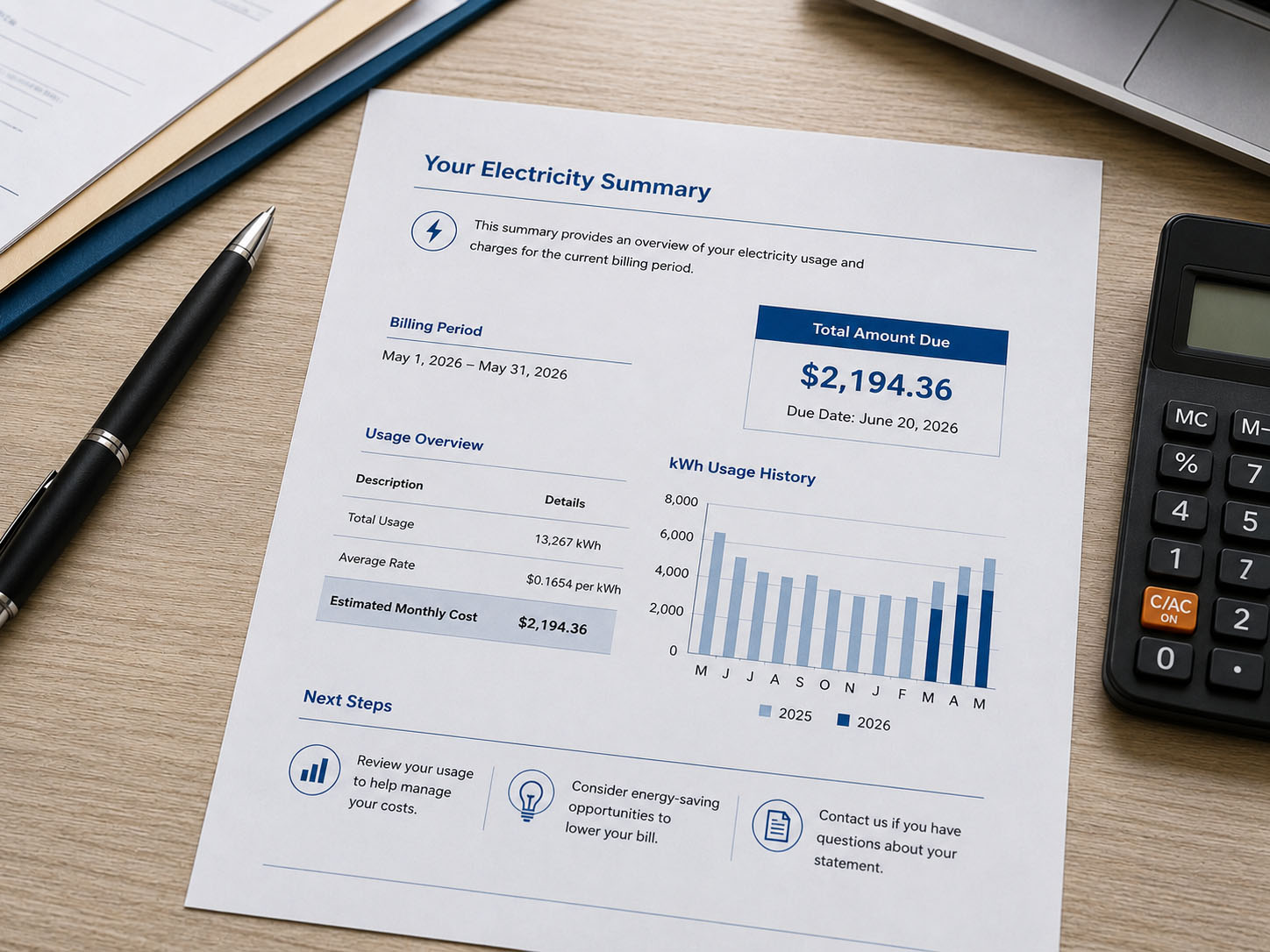
While upfront rebates that reduce the initial cash outlay for an EV or EV charging infrastructure are key, incentives can go beyond that.
Some utilities offer special EV charging rates, demand-charge relief, or managed-charging payments that can reduce the ongoing cost of operating a charging site. Other state programs may offer discounts on EV tolls or sales tax.
For charge point operators and fleets, those programs can be just as important as an equipment rebate.
Looking down the road, V2X programs, including vehicle-to-grid and vehicle-to-home, are also starting to pop up. These programs can use a vehicle's battery for backup power or demand response, creating potentially even more incentive opportunities.
The Devil Is in the Details

Finding an incentive is only the first step. Determining whether a project actually qualifies can be much more complicated.
Eligibility may depend on the project address, serving utility, customer rate class, charger power level, site type, intended users, and selected equipment.
Many programs also require customers to apply and receive approval before purchasing equipment or beginning installation. Finding a rebate after equipment has already been ordered may not help if the program required preapproval.
Approved Product Lists add another layer of complexity. Roughly 25% of incentive programs require that a charger or vehicle appear on an Approved Product List to receive the rebate. Manufacturers may need to monitor dozens of individual lists and technical requirements. Distributors and installers need to make sure the equipment being proposed actually qualifies for the programs available at the project location.
For buyers and project developers, that makes incentive research something that should happen early in the planning process, not after equipment has already been selected.
Not All Federal Support Is Gone

While the federal tax credits for EVs and EV chargers have ended, not all federal support for charging infrastructure has disappeared.
The National Electric Vehicle Infrastructure Formula Program, better known as NEVI, continues to fund public fast-charging projects through state-administered programs.
Unlike 30C, NEVI is not a tax credit that a customer claims after installing equipment. Federal funds are distributed to states, which then select projects and award funding.
The program has experienced changes and delays, but after legal challenges, the federal government issued revised guidance and states have continued to award funding, build projects, and open NEVI-supported charging stations.
Incentives Are Still Available, but Finding Them Is More Complicated
It’s clear that rebate programs for EVs and EV chargers haven’t disappeared with the end of the federal tax credits. Many are still active and continue to evolve with the changing market.
What is still available is a very large collection of programs offered by states, utilities, municipalities, and other organizations, each with its own funding levels, deadlines, eligibility requirements, and application process. Overall, the challenge with EV and EV charger rebates is knowing where to look, understanding which programs apply, and making sure a project meets the requirements before it is too late.
That makes identifying incentives early an important part of planning any EV or EV charging project.
Keep Up With EV and EV Charger Incentives
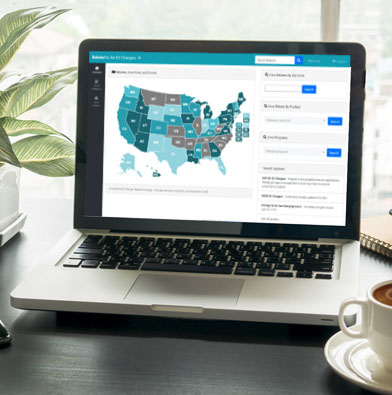
With hundreds of programs across the country and frequent changes throughout the year, keeping up with EV and EV charger incentives can be difficult.
BriteSwitch's RebatePro tools make it easy to stay on top of all those changes. You can save important programs as Favorites and create Custom Alerts to receive immediate email notifications when key program details change, helping you react quickly to important updates.